
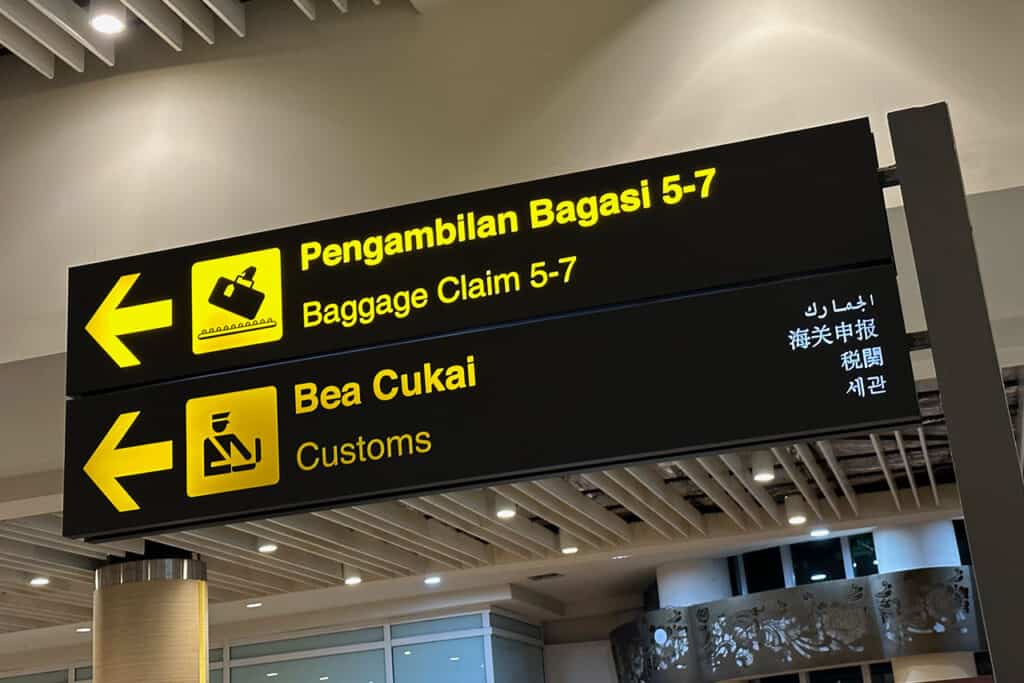
As you prepare for your Bali adventure in 2026, understanding local customs and import regulations is essential for a smooth arrival. This comprehensive guide covers everything you need to know about bringing items into Bali, based on the latest regulations from Indonesia’s Directorate General of Customs and Excise.
All Indonesia Arrival Card
Before arriving in Bali, all travelers must complete the All Indonesia Arrival Card. It’s a unified digital form that consolidates customs, health, and immigration information in one place. This replaces the Electronic Customs Declaration (ECD) and SATUSEHAT Health Pass, which are no longer used.
When to complete it:
- Complete it within 3 days before your arrival
- It’s highly recommended to complete it before your flight to save time at the airport
- If you miss it before departure, you can complete it on your phone at the airport
How to complete it:
- Visit the official website: allindonesia.imigrasi.go.id (the only official source – avoid third-party sites)
- Fill in your personal details, flight information, accommodation address, and customs declaration
- After submitting, you’ll receive a QR code via email. Save it to your phone or print a backup
- Present the QR code to customs officials upon arrival
The All Indonesia system significantly speeds up the arrival process for travelers who complete it in advance. According to airport authorities, pre-completed arrivals can save up to 30 minutes during peak periods.
Duty-Free Allowances
Indonesia’s customs regulations provide specific allowances for personal items, alcohol, and tobacco products.
Personal Items Allowance:
- Each passenger is granted an exemption from import duties and taxes of USD 500.00 on personal goods purchased abroad
- This allowance is per person, not per family or per group
- Any goods exceeding this value must be declared and may be subject to import duty
- The calculation is based on the total value, not on individual item prices
Alcohol Allowance (per adult):
- Passengers 21 years and older: 1 liter of alcoholic beverages
- This can be one bottle of spirits, wine, or another alcoholic beverage
- Exceeding this limit will result in either confiscation or payment of duties
- Indonesia imposes high import duties on alcohol, sometimes exceeding 150% of the value
Tobacco Allowance:
- Passengers 18 years and older: 200 cigarettes, 25 cigars, or 100 grams of sliced tobacco
- These allowances are not cumulative. You cannot combine different types
- Any excess of these allowances for excisable goods may be confiscated
- Electronic cigarettes and vaping devices are legal but subject to the same quantity restrictions
Currency Regulations
Indonesia has currency control regulations in place to prevent money laundering and financial crimes.
If you’re carrying Rp 100 million or more in cash (roughly USD 6,500+), you’ll need to declare it to customs when you arrive. This applies to both rupiah and foreign currency, as well as things like checks and traveler’s checks.
The process is simple. Just fill out a currency declaration form at customs. But if you skip the declaration, you could face a penalty of up to 10% of the undeclared amount.
Prohibited Items
Indonesia maintains strict prohibitions on certain items, with severe penalties for violations. The following items are strictly prohibited from being brought into Bali:
- Narcotics and illegal drugs – Indonesia has extremely severe penalties for drug offenses, including the death penalty. Even small amounts of recreational drugs can result in lengthy prison sentences.
- Firearms, ammunition, and explosives – These are completely prohibited for tourists and can result in immediate arrest.
- Pornographic materials – Indonesia has strict laws against pornography, including digital content on electronic devices.
- Certain sharp objects and weapons – While small pocket knives may be permitted, larger blades and obvious weapons are prohibited.
- Counterfeit products and currency – Bringing fake designer goods or counterfeit money can result in legal penalties.
- Certain fruits, plants, and agricultural products without proper permits – To protect local agriculture, many fresh produce items are restricted.
- Wildlife products – Items made from endangered species are strictly prohibited.
Indonesian customs officials routinely conduct thorough inspections, including X-ray scans of luggage, to detect prohibited items. The consequences of attempting to import prohibited items can be severe, ranging from hefty fines to imprisonment.
Items That Must Be Declared
Certain items, while not prohibited, must be declared upon arrival:
- Animals, fish, plants, and their products (with proper permits) – If you’re bringing pets or plant materials, you’ll need appropriate documentation.
- Currency exceeding the limits mentioned earlier – Use the specific currency declaration form.
- Tobacco and alcohol exceeding the duty-free allowance – Be prepared to pay duties or surrender excess items.
- Goods purchased abroad with a total value exceeding USD 500 per person – Keep receipts handy to verify values.
- Items not considered personal effects (unreasonable amounts or goods for commercial purposes) – Multiple identical items may be considered commercial imports.
- Prescription medications (bring your prescription and doctor’s letter) – See detailed guidance below.
- Drones and other remote-controlled devices – These require special permits in Indonesia.
What You Can Bring
Personal belongings are generally permitted without restrictions, including:
- Clothes (reasonable quantities for personal use)
- Electronics for personal use (laptops, cameras, smartphones, tablets, etc.)
- Toiletries and personal care items
- Jewelry and accessories (in reasonable quantities)
- Sealed snacks, candies, tea, coffee, and canned goods
- Sports equipment like surfboards, snorkeling and scuba gear
- Books, magazines, and other reading materials (subject to content restrictions)
Important note: While personal electronics like laptops and cameras are generally allowed without duties, the duty-free allowance is technically USD $500 per person, though this is often not enforced for clearly personal items that are not new or in commercial quantities.
Prescription Medications
Indonesia has strict regulations regarding medications, so if you need to bring prescription medications:
- Bring a letter from your doctor stating the medication is for personal use, including dosage information
- Keep medications in their original packaging with pharmacy labels intact
- Only bring reasonable quantities for personal use during your stay (generally no more than a 30-day supply)
- Some medications that are legal in your home country may be controlled or prohibited in Indonesia, so check in advance
- Narcotic painkillers, strong sleeping pills, and ADHD medications may require special documentation
The Indonesian Food and Drug Administration (BPOM) recommends contacting the nearest Indonesian embassy before traveling if you’re unsure about your medications.
Customs Inspection Process
After collecting your luggage at Ngurah Rai International Airport, you’ll proceed to the customs area where:
- You’ll present your All Indonesia arrival card QR code
- Based on your declaration, you’ll be directed either straight to the exit (green lane) or to X-ray screening (red lane)
- If selected for screening, your luggage will be scanned, and you may undergo a personal inspection
- If duties are owed, you’ll be directed to a payment counter where you can pay using cash or credit card
Tips for a Smooth Customs Experience
- Declare everything truthfully – Don’t try to hide items, as penalties for false declarations can be severe
- Be polite and cooperative with customs officers, especially if selected for inspection
- Keep receipts for expensive items in your wallet or separate from your luggage to prove their value if questioned
- If asked to pay duty, 10% of the item’s value is generally considered reasonable, though rates vary by product category
- Complete all forms before landing to save time at the airport
- Pack strategically – Keep declared items easily accessible for inspection
- Learn a few basic Indonesian phrases – Simple courtesy can go a long way
Other Entry Requirements
While not directly related to customs, remember these essential requirements:
- Your passport must be valid for at least 6 months from your arrival date
- You must have a return or onward ticket
- Most travelers need a visa to enter Indonesia:
- Visa Exemption for 16 countries (ASEAN countries plus a few others)
- Visa on Arrival (VOA) available for 97 countries, costing IDR 500,000
- e-VOA option available online via evisa.imigrasi.go.id – apply before departure to skip airport queues
- All international visitors to Bali must pay a tourist levy of IDR 150,000 per person (approximately USD 10) – pay online at lovebali.baliprov.go.id before arrival
- Complete the All Indonesia Arrival Card at allindonesia.imigrasi.go.id within 3 days of your flight. This covers customs, health, and immigration in one form
By following these guidelines, you’ll ensure a smooth entry into Bali and avoid any unnecessary delays or complications at customs. Remember, the key is to be honest, prepared, and respectful throughout the process.


